
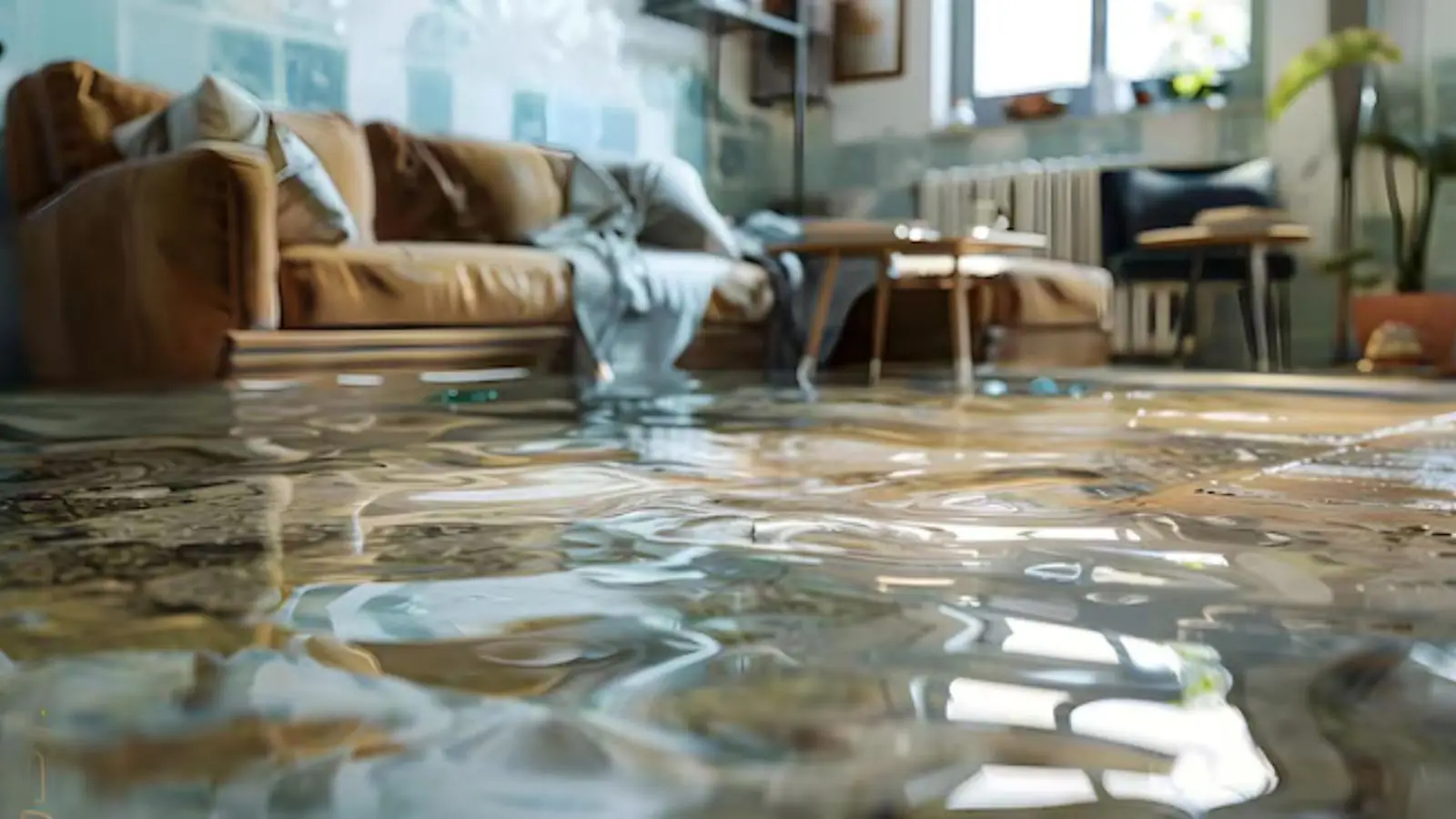
Why flood cleanup is different
Water that comes from rivers, storm runoff or overwhelmed drains carries soil, bacteria and debris. The ANSI/IICRC S500 standard calls this Category 3, or grossly contaminated, and it changes how materials are handled. Porous items that soaked in it, like carpet, pad and drywall, are usually removed rather than dried.
That makes the first hour a safety exercise. Keep people and pets out, wear boots and gloves if you have to enter, and do not use household fans on contaminated water.
Before you step inside
Floodwater near outlets or the panel is an electrocution risk, so keep out and dial 911 or the power company. A gas odor means walk out and report it from outside. Never wade across standing water toward a breaker.
Lower levels, garages and crawl spaces
Whether your home has a basement, a crawl space or a slab, flooding finds the lowest points first. Garages collect runoff from driveways, crawl spaces trap water under floors and slabs can wick moisture up through flooring. Each requires its own approach.
- Garages: pump and extract, remove stored cardboard and wood, wash surfaces
- Crawl spaces: remove standing water, check insulation and vapor barriers, dry the joists
- Slab homes: pull flooring and baseboards, extract, dry walls from the bottom up
- Lower levels: pump in stages and keep ahead of the water table when conditions allow
The cleanup sequence
Make it safe
Control electricity, gas and access. Photograph everything.
Extract
Use pumps and extraction units to remove standing water and muddy sludge.
Remove and clean
Take out affected porous materials, wash and sanitize remaining surfaces.
Dry and verify
Place air movers and dehumidifiers, then check readings daily until they are dry.
Water in the house?
Call the 24/7 line. The plan and the price get explained to you first.
What to keep, what to toss
| Material | After Category 3 water | Notes |
|---|---|---|
| Carpet and pad | Usually removed | Cannot be sanitized reliably |
| Drywall and insulation | Usually removed up to the water line and above | Cut higher than the visible line |
| Solid wood furniture | Often cleaned and dried | Veneer and particleboard often fail |
| Hard flooring on a slab | Case by case | Depends on adhesive and readings |
| Mattresses and upholstery | Usually discarded | Check with your insurer first |
Keep a list and photos of discarded items before they leave the house. Your insurer may want to see them.
Cleanup is not waterproofing
Flood cleanup makes the house safe and dry. It does not change the grade, drainage or foundation that let water in. If water keeps entering, that is a separate job for a drainage or waterproofing contractor. Our flood damage restoration team can explain where the line falls, and for burst pipes our emergency water removal page covers different steps.
Documenting the loss
Insurers and building departments both ask for records. Before the first item leaves the house, take wide shots of each room and close-ups of the water line, the damaged contents and the entry point. Date-stamped photos and short videos work well.
Keep a written list of what was lost, with approximate age and where you bought it if you remember. Save receipts for emergency work, hotel stays and supplies, and keep damaged items until your insurer tells you they can go.
Your crew will add moisture readings and equipment logs to the file. That paperwork is not a promise about how a claim will turn out, but it makes the story of the loss easy to follow.
Cost factors and insurance
Flood costs depend on water category, area affected, materials removed, drying days and rebuild. Standard homeowners policies typically leave floodwater out and a separate flood policy is the usual route, so read your policy or ask your insurer. Want your real number? Call (909) 505-3870.
Choosing help after a flood
Storms bring out contractors of every kind, so ask a few plain questions. Does the company work to ANSI/IICRC S500, how will it handle Category 3 materials, and will you get a written scope before work starts? Be wary of anyone who asks for large payments up front or refuses to explain the plan.
Local response also matters. Crews based near Yucaipa can reach the valley, Calimesa and Redlands without long drives, which helps when many homes need help at once.
Yucaipa note: burn scars and mudflows
Tropical Storm Kay in 2022 sent large mudflows down toward the Oak Glen community, which sits close to the 2020 Apple and El Dorado Fire burn scars. Police ordered some residents out along the Oak Glen roads and Wildwood Canyon Road. Slopes that fire has stripped shed water and mud fast, so even a modest storm can push debris toward homes below.
Check your address on FEMA's flood map, ask your insurer whether flood is covered, and confirm with the city whether the rebuild needs permits.
Sources: CBS Los Angeles coverage of the 2022 Oak Glen mudflows, plus the municipal department page.
Frequently Asked Questions
Small Category 1 spills, yes. Contaminated floodwater needs protective gear and removal of porous materials, which crews handle.
Extraction can happen in a day, while drying and rebuild may take weeks depending on the damage.
Mud inside the house is. Large yard mudflows may need heavy equipment from an excavation contractor.
No. Cleanup restores the house, and drainage or waterproofing is a separate job.
It depends on the area. Follow local evacuation notices, and ask our crew which rooms to avoid.
Still have a question?
Call the 24/7 emergency line and ask. Scope and price are explained before work starts.