
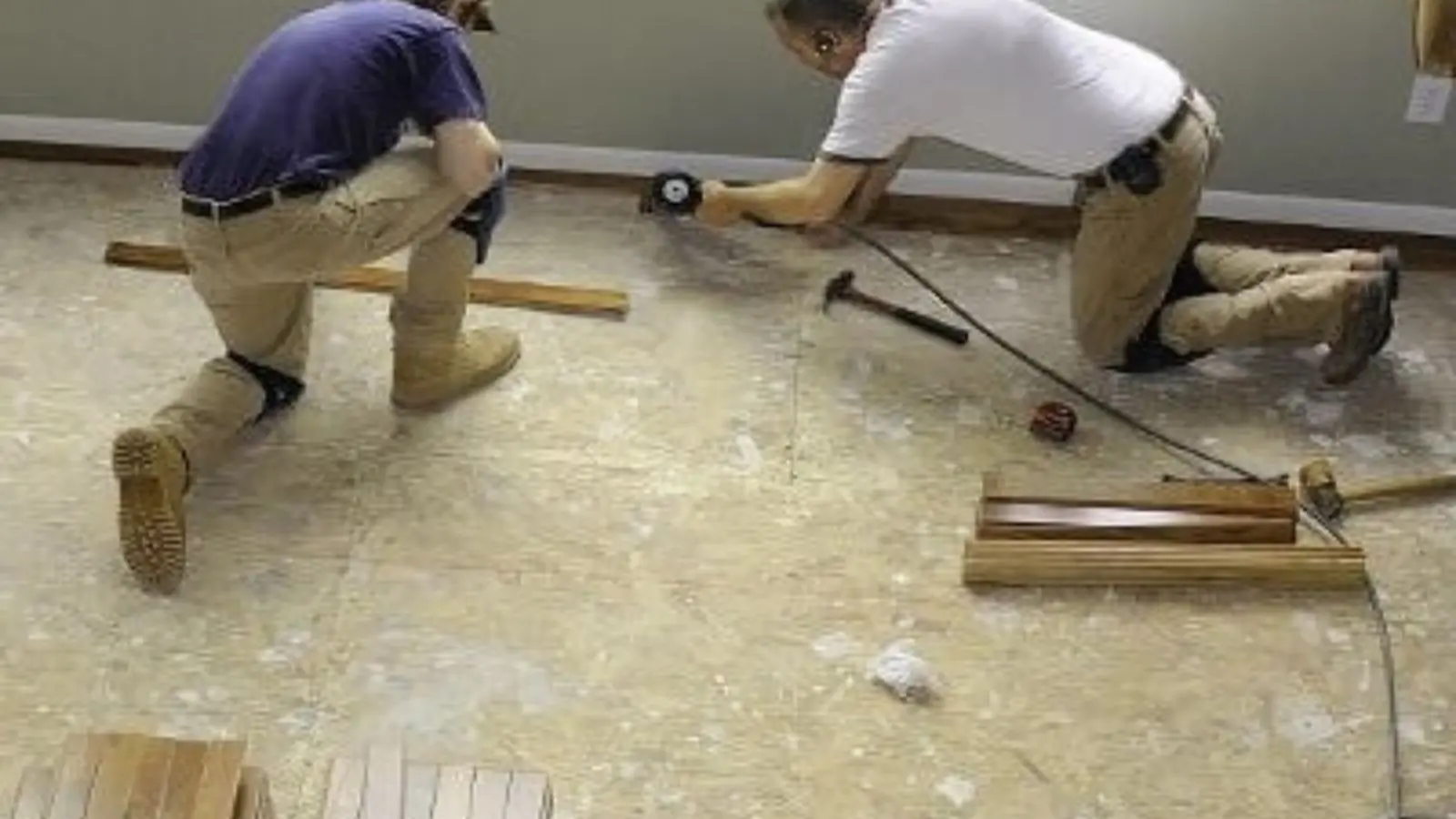
Water damage repair in Yucaipa is the rebuilding stage, which starts only once the leak is fixed and the framing reads dry on a moisture meter. It covers replacing drywall and insulation, repairing ceilings, restoring flooring and repainting so the room looks finished. If the area is still damp, start with water mitigation instead, because repair over wet materials traps moisture and invites mold.
A repair plan begins with the moisture readings from drying. They show what was removed, what stayed and whether anything is still wet. We use those records to write a scope that lists each repair, so you can see what is being done and in what order. Scope and price are explained before work starts.
How repair differs from drying and cleanup
Drying and cleanup protect the structure and remove ruined material. Repair replaces what was lost. Because these stages have different tools, a house may be handled by the same crew from start to finish or by a separate repair team, but one written scope keeps everything aligned.
The practical test is simple. If anything is still wet, still smells musty or has an open cavity, repair waits. If readings are normal and the area is clean, repair can begin. For leftover debris and odor, see water damage cleanup.
Ceiling and Wall Water Damage Repair
Ceilings show water damage first because water travels downward and settles in the lowest drywall. Typical sources include a roof leak during a winter storm, an upstairs toilet or tub leak, or an air conditioner condensate line that backed up. Closet ceilings and wall corners are common spots because moisture sneaks along framing and shows up where nobody looks often.
The repair sequence is predictable. Remove wet or sagging drywall back to solid, dry material, check insulation and framing, and treat the framing if moisture lingered. Hang new board, tape, texture to match the existing finish, prime with a stain-blocking primer and paint. Painting only the stained spot rarely works, so crews usually blend to a corner or the full wall.
Stain on a ceiling does not always mean damage has spread. A stain from an old leak that has fully dried can be sealed and painted, while a stain that keeps growing means moisture is still active. A moisture meter settles the question in a few minutes.
| What you see | Likely cause | Typical repair |
|---|---|---|
| Brown ring, no sag | Past leak, now dry | Stain-blocking primer and repaint |
| Sagging or bubbling drywall | Active or recent leak | Cut out wet board, dry, replace and finish |
| Peeling paint and soft spot on wall | Moisture inside the wall | Open wall, dry cavity, replace board and insulation |
| Stain plus musty odor | Hidden moisture, maybe mold | Inspect, dry, and see mold remediation if growth is present |
Need a repair scope in writing?
Call (909) 505-3870. The job and its cost get spelled out first, and the 24/7 line stays open if water comes back.
Hardwood Floor Cupping and Drying
Hardwood absorbs water into the board edges, which causes cupping, where edges rise higher than the center. Crowning is the opposite. Both can appear days after a leak as the wood dries unevenly. Do not sand or refinish while boards are still cupped, because sanding wet wood can lead to gaps and permanent flattening.
Drying uses floor drying mats or panels with dehumidifiers, and sometimes small holes are made through baseboard to move air under the floor. Moisture readings guide the process, and the wood is considered dry when it matches readings from an unaffected area. After that, many floors flatten on their own.
If boards remain cupped or have separated, a refinishing or replacement plan follows. Water-damaged hardwood sometimes needs several boards replaced and blended, and the repair scope will say so before work begins. Early drying is the best way to save the floor.
Insulation, flooring and finish work
Wet insulation holds water against framing and loses its insulating value, so it is usually replaced. Subfloor sections that swelled or delaminated are cut out and patched. Vinyl, laminate and carpet are replaced where they cannot be dried flat, and tile is checked for loose grout and a damp substrate.
Cabinets and trim are decided on a case-by-case basis. Solid wood can sometimes be dried, while particleboard that swelled is normally replaced. Matching paint, texture and trim profiles is part of the job, and we will tell you if a perfect match is not practical.
Permits and local rules
Many cosmetic repairs do not need permits, while structural, electrical or plumbing work might. The permit counter at the City of Yucaipa can tell you which category your job falls in, because rules differ by scope. If your home is in Redlands, the city's One Stop Permit Center is the place to ask. Our crews are licensed and insured.
What affects the cost of repair
- Area and height of ceilings, walls and flooring to be rebuilt.
- Materials, such as drywall, hardwood, engineered flooring or cabinets.
- Texture and paint matching, which can mean blending a whole wall or room.
- How much was removed during drying and cleanup.
- Any structural, plumbing or electrical work that needs a permit.
Want your real number? Call (909) 505-3870. Repairs that follow a sudden and accidental loss are often part of an insurance claim, while repairs after a slow leak or neglect often are not, and a flood loss normally needs separate flood coverage. Your policy or insurer can confirm what applies.
Ask which standard the crew follows
ANSI/IICRC S500 is the published standard for professional water damage restoration, and S520 covers mold remediation. Ask any company whether its crews work to them, then ask to see moisture readings and a written scope.
Safety checklist before any repair work starts
- Cut power to the room at the panel only if you can reach it dry, and call an electrician if the panel itself is wet.
- Keep people and pets out from under any ceiling that sags or holds water.
- Wear gloves and eye protection around wet insulation and drywall dust.
- Do not cut into a wall until someone has checked for wiring, supply lines and gas piping behind it.
- Photograph the damage before you remove anything, then keep damaged items until your insurer says otherwise.
Water Damage Repair Questions
After the structure is dry and readings meet the goal. Repairing over damp materials can trap moisture and lead to mold, so we confirm readings first.
Not usually. Often only the wet section is cut out and replaced, then textured and painted to blend. If the leak lasted long or insulation is soaked, a larger section may be needed.
We try to match color and texture, but old paint fades, so blending to a corner or full wall is common. Tell us if matching is a priority.
Often, if dried early. Many floors flatten as they dry, and refinishing is decided after readings are normal. Some boards may still need replacing.
Your city permit staff decide that, not us. We write the scope in plain terms so you know what to ask them.
A returning stain means moisture is still reaching that spot. We recheck with a meter and trace the source. Restoration is not waterproofing, so a roofer or plumber may need to fix the cause.
Still have a question?
Call the 24/7 emergency line and ask. Scope and price are explained before work starts.