
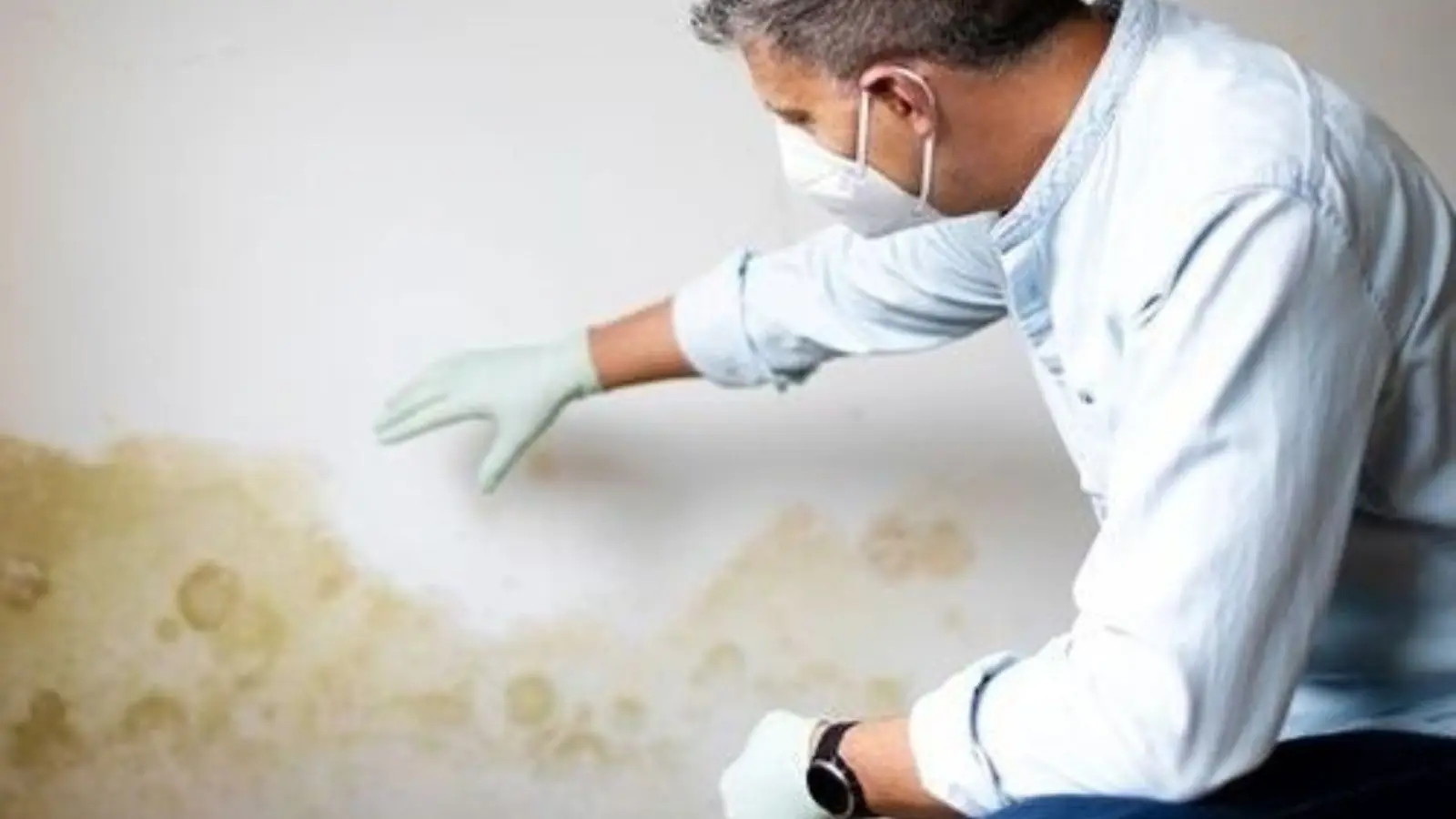
Why water and mold travel together
Mold is everywhere in small amounts, and it only becomes a problem when it finds moisture, a food source and time. Wet drywall paper, ceiling tiles, wood framing and carpet pad are all food sources. A leak provides the moisture, and the clock does the rest.
EPA guidance says moisture control is the key to mold control, and that wet materials should be dried within 24 to 48 hours. That window is not a deadline for panic, it is a target for action.
Where mold hides after a leak
The surface you can see is rarely the whole story. Water moves along pipes, down studs and under baseboards, so the wet spot on a ceiling may come from a source several feet away. Mold likes the places that stay damp and still.
- Behind baseboards and under vinyl flooring
- Inside wall cavities next to bathrooms and kitchens
- Above ceiling tiles below an upstairs bath
- Under carpet pad along exterior walls
- Inside closets where air does not move
- Around air conditioner condensate lines and drain pans
Musty smells are a useful clue. If a room smells earthy after a leak and you cannot see why, ask a professional to scan with a pin meter and an infrared camera before any wall is opened.
What to do in the first two days
Stop the source
Close the valve, fix the roof tarp or call a plumber. Nothing else works while water keeps arriving.
Remove standing water
Use towels, mops or a wet vacuum. Every hour the water sits increases absorption.
Start drying
Run fans and a dehumidifier, open interior doors and pull furniture off wet walls.
Call for readings
A crew can measure what is still wet and decide what must be opened.
Document the damage with date-stamped photos before cleanup. Keep damaged items until your insurer says you can dispose of them.
Leak just happened?
Call now. Crews go out the same day when they are free, and the job scope comes first.
When it is already mold
If you already see fuzzy or dark growth, stop poking at it. Disturbing mold sends spores into the air and spreads them to clean areas. The EPA treats a patch smaller than roughly ten square feet as something a homeowner can usually manage. Bigger patches, or growth linked to a long-running water event, belong to professionals.
Remediation follows the ANSI/IICRC S520 standard, which covers containment, removal and verification. Ask any company whether its crews work to S520, and ask whether your state licenses mold work. Questions about how mold may affect health belong with your physician, not with a contractor.
| What you notice | Likely stage | Next step |
|---|---|---|
| Wet spot, no smell, under 24 hours | Moisture only | Dry fast and monitor |
| Musty smell, no visible growth | Hidden moisture | Get readings and a thermal scan |
| Small visible spots under 10 sq ft | Early surface growth | Fix the moisture, clean per EPA tips |
| Large or recurring growth | Established mold | Call for remediation and clearance testing |
Our mold remediation page explains containment, negative air and clearance testing in detail, and our water mitigation team handles the drying that comes first.
Habits that keep a leak from becoming mold
Most mold stories start with a small leak nobody saw. A quarterly look under sinks, behind the toilet and around the water heater catches drips while they are still a paper towel problem. Check washing machine hoses for bulges, and replace braided supply lines before they split.
Humidity matters too. Run bathroom fans for a while after showers, keep dryer vents clear and clean the drain pan under the refrigerator. If a window shows condensation every morning, the room is holding more moisture than it releases.
None of this needs special tools. A cheap hygrometer in the bathroom or laundry room tells you when indoor humidity sits high for days, which is your cue to look for the cause.
Cost factors
Pricing for mold work follows how much surface is affected, what the material is, how much containment is required and whether you want testing. Water-related mold may fall under your policy only if the water damage itself was covered, so check your policy or ask your insurer. Want your real number? Call (909) 505-3870.
Yucaipa note: where moisture lingers locally
Winter storms are the moisture season in Yucaipa, and mountain runoff reaches the valley edge near Oak Glen. The 2022 flooding and mudflows there show how fast water can reach low spots on a property, so walk the garage, crawl space and yard edges after any storm and dry what you find early.
If repairs will open up walls, ask the city whether a permit applies. When the leak came from a line outside the house, the water district can tell you where its side of the pipe ends.
Sources: local news on the Oak Glen mudflows of 2022, and the district's service-area paperwork on file with LAFCO.
Frequently Asked Questions
EPA guidance points to 24 to 48 hours for wet materials, which is why drying quickly matters.
Home test kits show that spores exist, which is normal. A professional assessment looks at moisture sources and readings, which tells you more.
Not reliably. Porous materials like drywall paper usually need to be removed. Never mix bleach with ammonia.
It depends on the cause. Check your policy and ask your insurer, because many policies limit mold coverage.
Stop the source and start moving air. Everything else can wait for a clearer picture.
Still have a question?
Call the 24/7 emergency line and ask. Scope and price are explained before work starts.